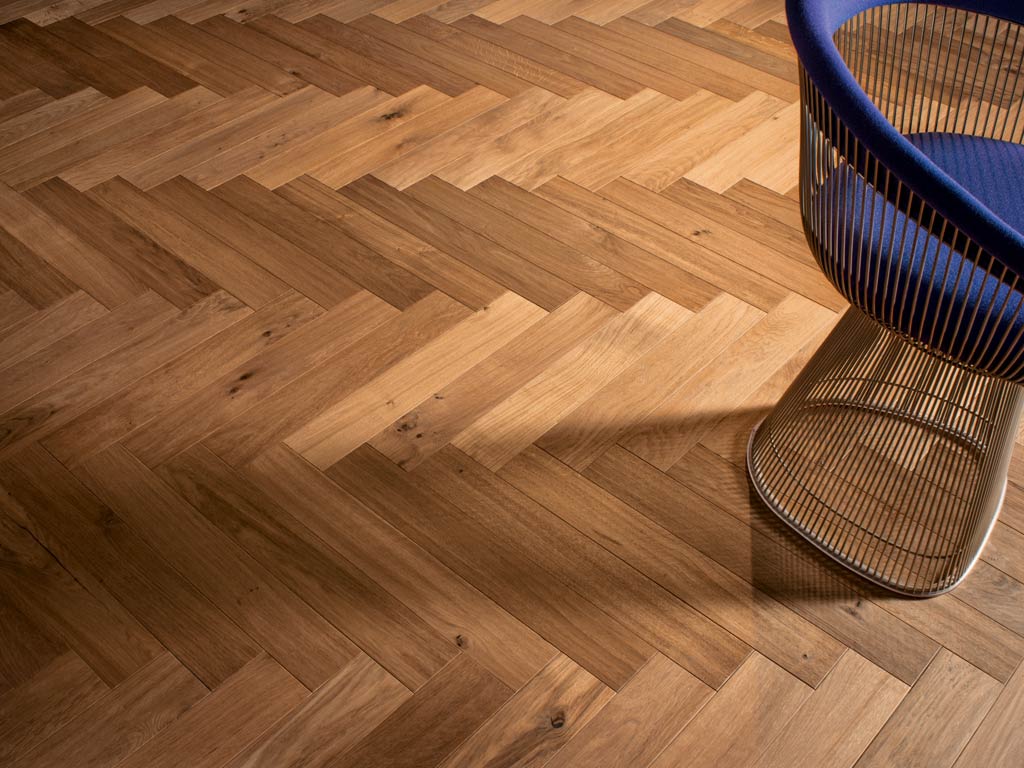
The Timeless Charm of Herringbone Parquet: guide to choosing the perfect pattern
Herringbone Parquet: An Iconic Flooring Pattern
Herringbone parquet is one of the most iconic and recognisable patterns in interior design. With roots tracing back to ancient Rome and the grandeur of French Renaissance ballrooms, this style is synonymous with elegance and sophistication. In this article, we will explore the various types of herringbone parquet, their distinctive features, and how to choose the one that best suits your project.
The Origins and History of Herringbone Parquet
Herringbone parquet, also known as "parquet de chevron", boasts a long tradition. This laying pattern can be found in numerous historical buildings, from ancient Roman mosaics to the opulent floors of the Palace of Versailles. The characteristic L-shaped arrangement of wooden strips creates a visual effect reminiscent of fishbones, requiring extreme precision to maximise the beauty of the parquet.
Types of Herringbone Laying Patterns
There are several variations of herringbone parquet, each with unique characteristics that can suit various styles and needs:
- Italian Herringbone
- French Herringbone
- Hungarian Herringbone
Italian Herringbone
The Italian herringbone has origins dating back to the Roman Empire and became popular in France in the 1600s. This pattern uses rectangular strips of the same size, laid at a right angle (90°). The end of each strip aligns with the long side of the next, creating a regular and symmetrical pattern that resembles fishbones. This style is ideal for both classic and contemporary settings, offering a versatile and refined solution.
French Herringbone
French herringbone is characterised by the ends of the strips being cut at a 45° angle. These strips are then installed end to end, creating a perfect junction. Although it requires more time and material to lay, the result is an elegant and visually striking floor, suitable for those seeking a touch of luxury and charm.
Hungarian Herringbone
Hungarian herringbone is another classic style, using wooden strips cut at angles of 30° or 60°. This laying pattern is perfect for creating versatile floors that complement modern rooms. However, it is the most complex to execute and requires extreme precision and skill. For this reason, it is advisable to rely on professionals to achieve an impeccable result.
How to Choose the Right Herringbone Parquet for Your Space
When selecting herringbone parquet, it is important to consider several key factors:
Style and Design
- Integration or Contrast: Decide whether you want the parquet to harmoniously integrate with existing décor or if you prefer to create a bold contrast.
- Visual Effects: Experiment with different wood tones and finishes to create unique and personalised visual effects.
Room Size and Shape
- Small Spaces: Opt for patterns with smaller strips and lighter colours to visually enlarge the space.
- Large Rooms: You can be more adventurous with longer strips and darker tones for a sophisticated effect.
Lighting
- Natural Light: Consider how natural light will affect the appearance of the parquet throughout the day.
- Artificial Lighting: Assess the impact of artificial lights on the colour and texture of the wood.
Expert Tips from Forme Italia
- Precision in Laying: Rely on professionals to ensure a precise and high-quality installation.
- Maintenance: Follow the cleaning and maintenance guidelines to keep the parquet in excellent condition.
- Customisation: Choose customised solutions based on your needs and personal style.
Frequently Asked Questions
What is the difference between Italian, French, and Hungarian herringbone? Italian herringbone uses rectangular strips laid at 90°, French herringbone features a 45° cut, while Hungarian herringbone employs angles of 30° or 60°.
Is herringbone parquet suitable for all environments? Yes, with the right choice of material and finish, herringbone parquet can be adapted to any environment, from elegant living rooms to modern open spaces.
Is it difficult to maintain herringbone parquet? No, it requires maintenance similar to other types of parquet. It is important to clean it regularly and follow the manufacturer’s recommendations for wood care.
Discover More at Forme Italia
Forme Italia supports its clients with 3D rendering consultation and an efficient turnkey service. For more tips and ideas on choosing the perfect parquet for your space, visit the Forme Italia blog. You will find informative articles and inspiration to transform every room in your home into an elegant and welcoming environment.
You can also shop conveniently online or visit our showroom. Forme Italia awaits to help you create refined and welcoming spaces where design and elegance are at home.